
In World of Warcraft, raid tuning and class adjustments will affect your gameplay by shifting damage distribution across classes, which could alter your performance in both PvE and PvP. You’ll adapt to changes like Death Knight’s reduced stamina or Hunters’ altered damage potential. These updates stem from player feedback and data analysis, ensuring classes maintain a balanced performance gap. Understanding these modifications will enhance your cooperative play, offering insights into improved strategies and better gameplay experiences.
Key Takeaways
- Class performance adjustments impact player strategies and may require adapting to new playstyles for optimal raid performance.
- Blizzard utilizes player feedback and data analysis to fine-tune class balance and raid difficulty regularly.
- Class changes like damage redistribution and ability tweaks can alter both PvP and PvE dynamics.
- Regional maintenance schedules and communication ensure minimal disruption and informed players during game updates.
- Continuous class tuning aims to narrow the performance gap between top and bottom performers to within 5%.
Death Knight and Druid Changes
While the recent patch brings several changes to Death Knights and Druids, the adjustments primarily focus on balancing survivability and utility in both PvE and PvP settings. For Death Knights, Frost and Unholy specs now have reduced stamina and magical damage reduction, impacting your ability to endure lengthy battles. In PvP, Blood DK’s Death Strike damage has decreased, making you less formidable in player encounters, while Unholy’s Festering Wound damage has increased, offering a slight edge. However, grip mechanics remain intact, benefiting raid scenarios like Heroic Fyrakk. Notably, Death Knights currently exhibit high survivability compared to other specs, which has prompted the adjustments in the patch.
On the Druid side, Feral Druids see a reduction in Shred damage from set bonuses, while Bear Form’s Mangle gains a higher threat modifier to enhance tanking capability. Lacerate’s threat modifier is slightly decreased. Despite these changes, Druids retain strong utility with skills like Typhoon, useful for add displacement, ensuring balanced performance across various roles.
Hunter and Mage Adjustments
In the latest adjustments, you’ll notice that Vicious Hunt changes for Hunters highlight the strategic shift toward using a spotter eagle instead of pets for Marksmanship, while Survival buffs enhance your damage output and versatility with increased pet effectiveness. Marksmanship Hunters will no longer use a pet, instead utilizing a spotter eagle, which gains Tenacity specialization, providing Air Superiority and Endurance Training. For Mages, the Tempest damage redistribution offers a more balanced approach between burst and sustained damage, ensuring your spells remain powerful throughout extended encounters. As you explore these Survival buffs and Tempest changes, consider how these updates can refine your tactics and enhance your raid performance.
Vicious Hunt Changes
Vicious Hunt sees notable adjustments for Hunters and Mages, aiming to refine gameplay balance and class performance in World of Warcraft. For Hunters, the changes include a 10% damage increase for Beast Mastery’s Vicious Hunt, while Survival Hunters experience a 10% damage decrease. This encourages more diverse ability use, requiring Survival Hunters to adjust their rotations for ideal DPS. Ranged hunters have faced poor scaling, leading to less dramatic DPS improvements compared to melee hunters as they progress through raid gear. For Mages, although not directly related to Vicious Hunt, adjustments to spell damage help balance their overall performance.
Here are the key points:
- Hunter Changes: Beast Mastery gains more power, while Survival must diversify its rotations.
- Mage Adjustments: Focus on increasing damage efficiency and balance.
- Gameplay Impact: Players will need to adapt to these changes for ideal raid performance.
Tempest Damage Redistribution
The adjustments for Vicious Hunt set the stage for broader class balance considerations, including Tempest Damage Redistribution. Tempest’s changes, key for Enhancement Shamans, now redistribute 65% of its damage to nearby enemies, up from 50%, though it’s lost its uncapped AoE aspect. This affects how you approach AoE and single-target scenarios, as Tempest and Chain Lightning often make up 65-70% of your damage. Other abilities like Stormstrike, Lava Lash, and Crash Lightning contribute minimally to overall damage, highlighting the need for a more balanced distribution of damage among abilities. While Hunters and Mages aren’t directly affected by Tempest’s changes, these adjustments reflect a broader trend in balancing AoE and single-target damage. Rebalancing aims to guarantee no single ability or class dominates, enhancing overall gameplay fluidity. As you adapt, keep in mind how talent choices, gear, and stats influence your performance across various scenarios.
Survival Buff Impact
Although changes to class balance can be contentious, the latest Survival buffs greatly enhance Hunter performance, particularly with respect to critical strike and overall damage output. The increase in Howl of the Pack’s critical strike damage bonus from 7% to 11% markedly boosts your damage potential. Meanwhile, the Furious Assault damage bonus rising to 60% strengthens your capabilities. As a Survival Hunter, you benefit from:
- Versatility: With strong single-target and AoE capabilities, you’re more competitive in raids and Mythic+ dungeons.
- Utility: Despite community perception challenges, your melee-based abilities provide inherent damage reduction.
- Performance: Excel in single-target damage, though Marksmanship may surpass you in burst AoE scenarios.
These adjustments aim to improve your effectiveness and enjoyment in various PvE environments.
Warlock and Evoker Updates
While exploring the latest updates for Warlocks and Evokers, you’ll find significant enhancements aimed at improving gameplay experience and performance. For Warlocks, survivability has been boosted with increased healing from Drain Life, making it more viable in PvP scenarios. Affliction Warlocks benefit from Soul Rot’s automatic healing, enhancing performance in dungeons. Demonology Warlocks see updated interactions with demonic cores, promoting consistent Doom application. Additionally, Warlock pets now accurately inherit their master’s spell hit chance, improving overall efficiency.
As for Evokers, they now start at level 10, with reworked spells like Mass Return and Fur of the Aspects, optimizing early-game experiences. The new passive Sense Power for Augmentation Evokers enhances team coordination by allowing you to view allies’ major cooldowns. Devastation Evoker updates, including adjustments to Snapfire and Feed the Flames, improve rotation and damage output, while Preservation Evokers benefit from Flow State for better buff management.
Impact on PvE and PvP Dynamics
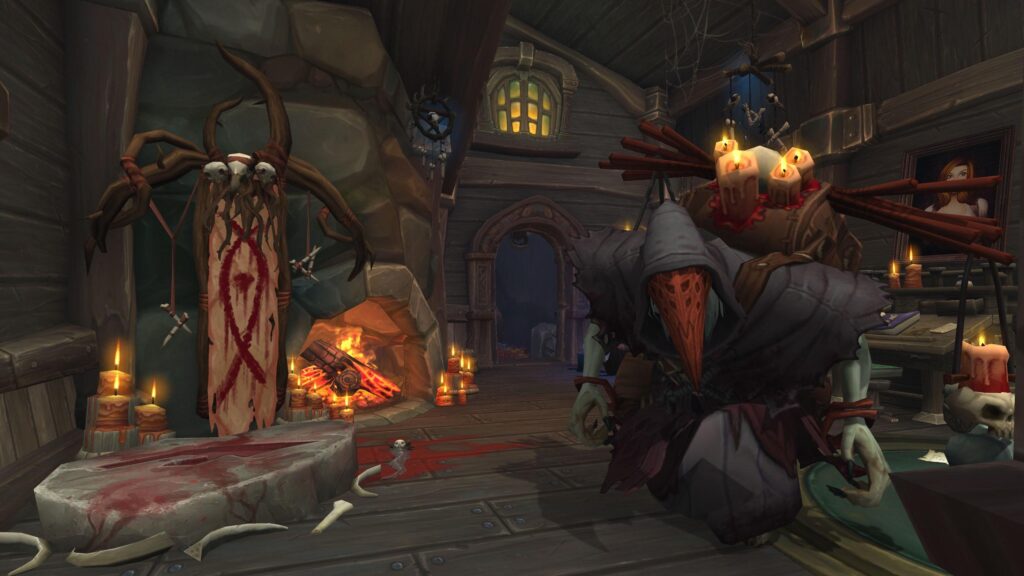
Balancing the dynamics of PvE and PvP is vital in World of Warcraft, as the recent updates have shown notable impacts on both game modes. In PvE, class balance adjustments for Druids, Priests, and Shamans aim to enhance performance, with changes like Starsurge’s 182% damage increase and a mana cost reduction from 3% to 1%, improving efficiency. Talent enhancements also play a role, as seen with Twisted Faith, boosting damage output for specific abilities. PvP adjustments are distinct yet important, focusing on tuning abilities like Survival Tactics and Dark Ranger’s Smoke Screen. This guarantees competitive play across classes, while damage balancing, such as increased Arcane Missiles damage, maintains fairness.
- Raid and Dungeon Performance: Class tuning impacts raid and dungeon performance markedly.
- Battlegrounds and Arenas: PvP adjustments maintain balance and competitiveness.
- Player Adaptation: Players must adapt strategies based on these class adjustments.
Community Feedback and Its Influence
You play an essential role in the player-driven adjustments process, where your feedback on class tuning and raid balance directly influences the game’s updates. By contributing to impactful game data analysis, you help developers identify problematic areas and guarantee that the game remains balanced and competitive. Additionally, understanding regional maintenance dynamics allows you to see how different regions might affect feedback incorporation and the timing of updates, making your input important for a well-rounded game experience.
Player-Driven Adjustments Process
Utilizing various feedback mechanisms, Blizzard actively incorporates player input to refine World of Warcraft’s gameplay experience. You’re part of a community that influences game development through several channels. Here’s how you can contribute:
- Forums and Feedback Channels: Share your thoughts on official forums and feedback channels. These platforms are crucial in shaping class balance adjustments and raid tuning.
- Social Media and Online Communities: Engage in discussions on social media or online forums. Your suggestions can lead to new feature implementations and updates.
- Surveys and Polls: Participate in surveys and polls, as they help gauge widespread player opinions, assisting developers in prioritizing changes.
This collaborative process guarantees your voice is heard, fostering community involvement and satisfaction with the game.
Impactful Game Data Analysis
Community feedback plays an essential role in shaping the World of Warcraft experience, particularly through the detailed analysis of game data. Developers gather this feedback via surveys, forums, and social media, using tools like sentiment analysis to identify trends and player concerns. This process influences raid tuning by leading to changes in raid difficulty, such as nerfs or buffs, guaranteeing a balanced and enjoyable experience. By engaging with players, developers create a feedback loop that promptly addresses issues, improving overall satisfaction. Data analysis further aids in class adjustments, utilizing metrics like win rates and player satisfaction to guarantee balance. This continuous feedback and data integration help prioritize features, fix bugs, and guide content creation, enhancing player retention and trust.
Regional Maintenance Dynamics
While managing the global player base of World of Warcraft, Blizzard faces the challenge of scheduling server maintenance in a way that minimizes disruption across multiple regions. Players often express frustration, particularly when maintenance overlaps with their prime gaming hours, but Blizzard considers several factors before making decisions. Here’s how community feedback influences maintenance scheduling:
- Data-Driven Decisions: Player activity data is analyzed to find the least disruptive times for maintenance.
- Regional Feedback: Insights from different regions help Blizzard understand varied impacts and adjust accordingly.
- Communication Channels: Blizzard guarantees that players are informed about upcoming maintenance and potential changes through various platforms.
Despite operational constraints, Blizzard aims to incorporate community input to enhance player satisfaction during maintenance periods.
Regional Maintenance and Update Schedules
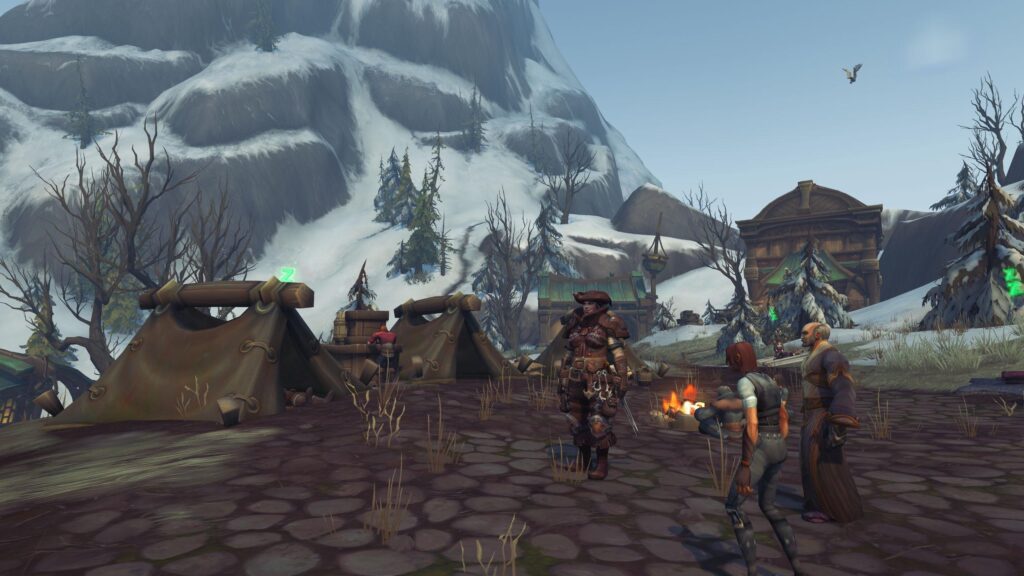
When planning your World of Warcraft gaming sessions, it is vital to take into account the regional maintenance and update schedules, as these times are when servers go offline for scheduled upkeep. In the US region, maintenance happens on Tuesdays from 07:00 to 08:00 PST, while in the EU, it’s on Wednesdays from 03:00 to 04:00 CEST. These downtimes are important for implementing bug fixes, hotfixes, and optimizations. During major updates, maintenance can extend up to eight hours, impacting your ability to log in or play.
Weekly resets coincide with these maintenance windows, and it’s important to check the server status before planning gameplay. Blizzard provides updates through official channels like their website and Twitter. You can also use tools like WoW’s Realm Status checker and Downdetector to monitor real-time server conditions. Notifications in the Battle.net Launcher alert you to scheduled maintenance, helping you plan around these downtimes.
Class Performance and Balance
Class performance and balance in World of Warcraft are essential elements that directly influence your gameplay experience, as they determine how effectively you can perform in various settings like raids and PvP. Performance metrics such as damage output and healing efficiency are key indicators of how classes stack up against each other. Player skill level greatly impacts these metrics, with top players often achieving better results. Blizzard aims for a balanced experience, targeting a performance gap of within 5% between top and bottom performers.
Class balance faces challenges due to numerous variables, including:
- Tuning Complexity: Balancing involves intricate mechanics and player skill variations.
- PvP vs. PvE Differences: Classes may excel in one environment but struggle in another.
- Raid Size Influence: Smaller raids highlight class disparities more than larger ones.
Regular feedback and adjustments are essential to maintaining balance and ensuring a satisfying player experience.
Future Prospects of Class Tuning
As World of Warcraft continues to evolve, the future of class tuning stands at a critical juncture, requiring careful attention to maintain balance amid ongoing changes. New expansions, like “The War Within,” introduce significant gameplay shifts, necessitating continuous class tuning to guarantee balance. The introduction of Hero Talents adds another layer, letting you customize playstyles, which may need future adjustments to maintain equilibrium across builds. Regular PvE and PvP adjustments address imbalances, enhancing your experience.
Weekly class tuning keeps classes competitive and balanced, quickly addressing issues. Hotfixes swiftly tackle critical balance problems between major updates. Class performance rankings, such as Fury Warriors’ recent decline, highlight areas needing attention. Gameplay mechanics updates, like the Rampant Ferocity change for Feral Druids, aim to improve control and effectiveness. Developers lean on community feedback to guide tuning decisions, guaranteeing changes meet player needs and maintain a positive experience.
Data-Driven Gameplay Adjustments
World of Warcraft relies heavily on data-driven gameplay adjustments, guaranteeing that every aspect of the game, from spells and items to quests and environments, is finely tuned for ideal player experience. By utilizing table data, file data, and Lua scripts, the game adapts to player needs and maintains balance. This data-driven design allows for flexible adjustments, keeping gameplay mechanics fresh and engaging.
- Spell Effects: The shift from a simple three-effect system to a complex database structure means spells interact in more dynamic ways, enriching your gameplay.
- Item and Creature Data: Numerical adjustments to items and creatures guarantee fairness and balance, preventing any single component from overshadowing others.
- Community Feedback: Your feedback is vital, as it guides developers in refining quests, terrain, and class balance, guaranteeing a continually evolving experience.
With community input and data analysis, WoW remains a finely-tuned adventure for all players.
Frequently Asked Questions
How Do Class Adjustments Impact Solo Gameplay?
Class adjustments impact your solo gameplay by altering the balance of power, affecting damage output, survivability, and mobility. Changes in damage can make content easier or harder, while adjustments to healing and defensive abilities influence how well you withstand challenges. Mobility tweaks affect navigation and danger avoidance, and talent overhauls offer new strategies. These adjustments can promote or discourage certain playstyles, impacting the diversity and effectiveness of your solo experience.
Are There Changes to Crafting or Gathering Professions?
Imagine a world where your crafting guild’s foundation remains but with new paths to explore. The War Within expansion resets your Dragonflight profession progress, introducing new materials and removing the Inspiration stat for Ingenuity. Catch-up mechanisms guarantee you’re not left behind, while crafting orders guide your skill growth. Gathering professions stay distinct, maintaining economic balance and allowing you to choose two professions, guaranteeing market stability and specialization opportunities.
How Does Raid Tuning Affect Low-Level Characters?
Raid tuning primarily targets high-level players, adjusting mechanics and difficulty for ideal challenge. As a low-level character, you might not feel the direct impact of these changes. However, accessing raids through commands like ‘/run SetAllowLowLevelRaid(true)’ lets you join higher-level content, offering unique experiences and learning opportunities. While game mechanics aren’t designed for low-level participation, community-driven events and collaborations can still enhance your gameplay and engagement.
Will Class Adjustments Influence Leveling Speed?
Class adjustments don’t directly impact your leveling speed, as they mainly focus on end-game balance, not experience gain rates. However, they can indirectly affect your journey by modifying mob difficulty or altering your character’s power level, which may influence how efficiently you defeat enemies. To optimize leveling, prioritize using consumables, selecting the right specialization, and leveraging class strengths like mobility or crowd control to enhance your leveling experience.
Are There Plans for Visual Updates in Future Patches?
Like the ever-evolving landscape of Azeroth, visual updates in future patches are anticipated, yet no official word exists beyond Patch 11.1. Your feedback is pivotal; it’s akin to a guiding star for developers. While expansions may herald significant changes, your engagement and community reactions can shape these enhancements. Blizzard’s development cycle often intertwines visual and gameplay improvements, balancing technical constraints with creative aspirations, ensuring your immersive experience remains consistent and engaging.
Conclusion
Understanding these class adjustments is essential for maximizing your performance, whether you’re tackling raids or venturing into PvP arenas. The impact of these changes is monumental, reshaping the landscape of gameplay dynamics and class balance. Keep an eye on community feedback, as it often steers future updates, ensuring the game remains balanced and engaging. Regularly check maintenance schedules to stay updated with the latest tweaks, and remember, adapting to these changes can make or break your gaming experience.
Leave a Reply