
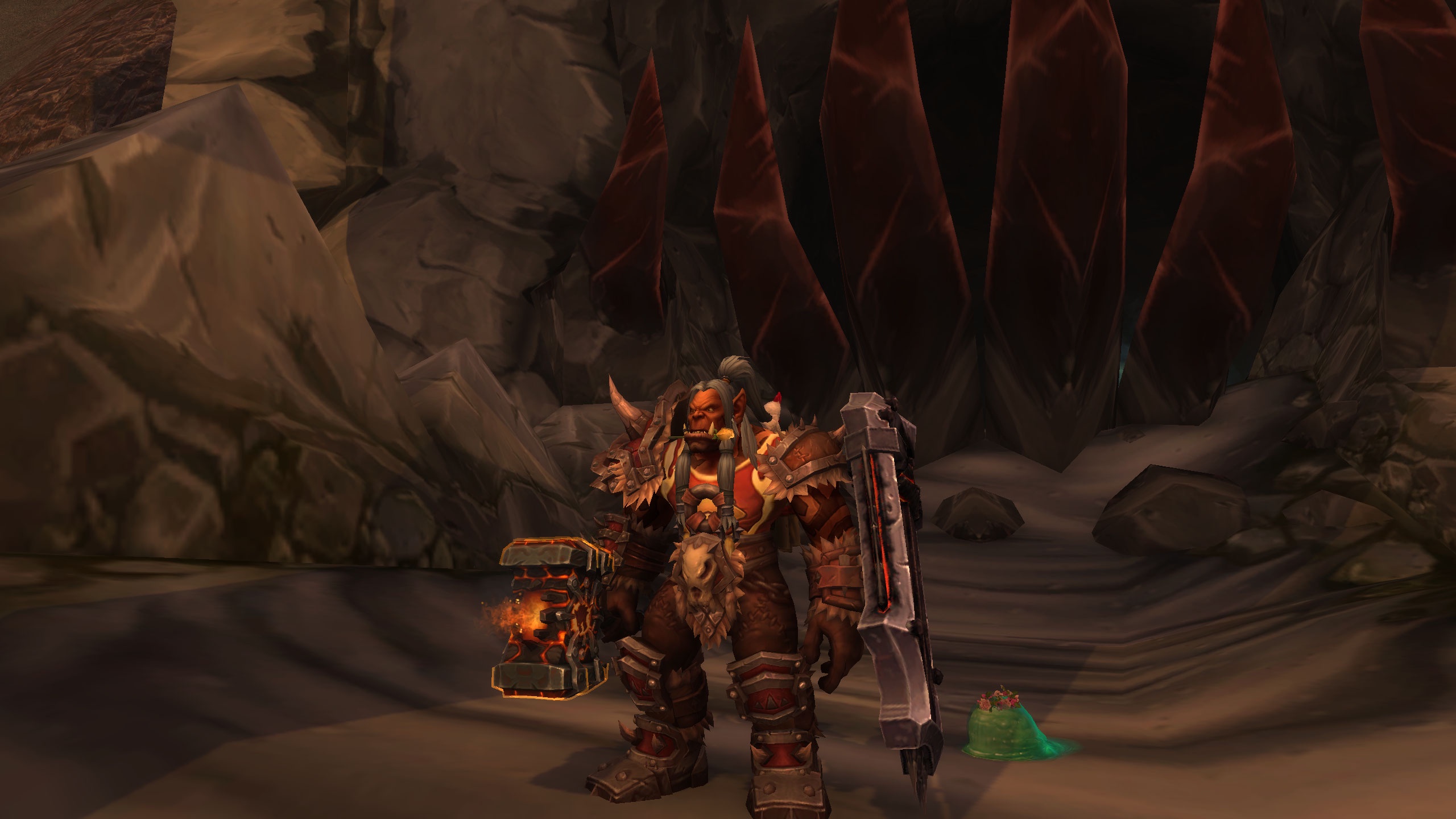

In World of Warcraft, high-end PvE raiding involves significant consumable expenses, from flasks and potions to expensive gear enhancements. The financial impact on guilds can be massive, with millions of gold spent on progression. Despite the costs, rewarding achievements and exclusive cosmetics make it worthwhile. Economic challenges persist, especially with inflation and market fluctuations. Strategies like bulk purchasing and collaborative guild efforts can mitigate these expenses. Learn more about managing costs and securing rewards efficiently.
Key Takeaways
- High-end raiding costs can reach millions of gold per tier due to consumables and repair expenses.
- Achievements grant exclusive rewards, like mounts and titles, enhancing the allure of high-end raiding.
- Consumable prices spike before new raids, heavily impacting guild resources and individual player finances.
- Efficient resource allocation and contribution strategies are essential for managing raid expenses effectively.
- Inflation has significantly increased consumable and gear enhancement costs, challenging sustainable raiding practices.
Consumable Expenses for Raiding

When you’re preparing for a raid in World of Warcraft, understanding the various consumable expenses becomes imperative for effective planning. You’ll need to evaluate flask efficiency, as flasks provide essential long-lasting stat boosts, typically requiring 2-3 per player for a 3-4 hour raid. Potions, on the other hand, offer short-term powerful effects, and proper potion timing can greatly impact your performance, necessitating 10-20 potions per full raid night. Food buffs are also important, enhancing specific stats, with one needed per hour of raiding. Additionally, you’ll use runes to augment abilities, usually 1-2 per boss encounter, and apply oils or stones to improve weapon performance, lasting several hours. Costs for consumables can reach significant amounts, with some guilds needing to farm more gold or materials outside of raids to keep up with the economic burden. Costs are influenced by server economy, material rarity, and demand spikes during new raids. Crafting skills can offset expenses, and bulk purchasing can reduce overall costs, making strategic planning and resource management key to maintaining efficiency and effectiveness in raids.
Financial Impact on Guilds
When you’re managing a guild, consumable provision costs can quickly drain your resources, as you’re often buying feasts and vantus runes to boost raid performance. Progression attempt expenses add up, with guilds sometimes spending millions of gold on a single raid tier, leaving their bank accounts nearly empty. Repair costs are another significant burden, as they have nearly doubled since the Legion expansion, forcing some guilds to allocate hundreds of gold per raid night just to keep members’ gear in top condition. In the case of Liquid, the estimated gold cost for a World First race was approximately 723 million gold, highlighting the substantial financial impact on competitive guilds.
Consumable Provision Costs
Although raiding in World of Warcraft is a thrilling endeavor, the financial burden of consumable provision can be substantial for guilds, especially during progression tiers. Consumable crafting and guild strategies play significant roles in managing these costs. Guilds typically supply flasks, potions, and food buffs, with expenses reaching millions of gold per tier. Some guilds spend 5-8 million gold on consumables, depleting guild banks and necessitating replenishment. To mitigate costs, guilds employ alchemists who maximize crafting procs, organize farming groups, and require raider contributions.
| Consumable | Cost (Gold) | Guild Strategy |
|---|---|---|
| Flasks | 1M+ | Alchemist procs |
| Potions | 500K+ | Bulk crafting sessions |
| Food Buffs | 1M+ | Farming groups |
| Augment Runes | Player-supplied | Cross-server arbitrage |
| Vantus Runes | 500K+ | Raider contributions |
Progression Attempt Expenses

Progression attempts in World of Warcraft can be financially draining for guilds, as the costs associated with raid preparation are substantial. Top guilds might shell out around $40,000, translating to 300 million gold for high-end raid prep. Effective progression strategies require smart resource allocation, like selling BoEs and providing cauldrons and feasts to reduce costs. Mid-tier guilds face hefty expenses too, with one guild spending 5 million gold over several weeks. Each Jaina pull might cost 900 gold per person, eventually totaling 8.4 million gold over 350 attempts. To manage expenses, guilds often contribute 250 gold per wipe and supply necessary consumables. Efficient planning and resource management are vital to lessen the financial burden on guilds aiming for progression.
Repair Financial Burden
Raid repair costs in World of Warcraft have become a significant financial burden for many guilds, impacting their overall ability to sustain progression activities. With repair bills soaring to 600g after just a couple of wipes, guilds must adopt effective repair strategies and financial planning to manage these expenses. Many guilds offer repair coverage ranging from 250g to 1000g per raid night, often funding these through guild bank gold accrued from selling BoE drops or carries. However, the financial strain is still palpable, leading some players to buy WoW tokens for gold.
- Feeling overwhelmed with repair bills after every raid night.
- Frustration from constantly needing to fund repairs through personal means.
- Concern about the sustained financial impact on your guild’s resources.
Pricing Structure of Raid Boost Services
In the domain of World of Warcraft, the pricing structure of raid boost services is a critical aspect for players seeking efficiency and progress. Boost pricing varies considerably across different raid difficulties, with Normal raids being the most affordable and Mythic raids commanding the highest costs. Service comparisons are essential as many providers offer package deals, allowing you to tackle multiple raid difficulties at a discounted rate. Market fluctuations, influenced by demand trends and service reputations, can impact what you pay, especially with new raid releases.
Customer preferences often dictate the choice between self-play and account piloting, as well as the selection of payment options such as per-boss pricing or full clear packages. With the economy and server population affecting prices, it’s wise to reflect on loyalty programs or installment plans, especially for expensive Mythic boosts. Keep an eye on regional pricing differences and potential discounts during off-peak seasons or WoW events.
Gear and Achievement Rewards
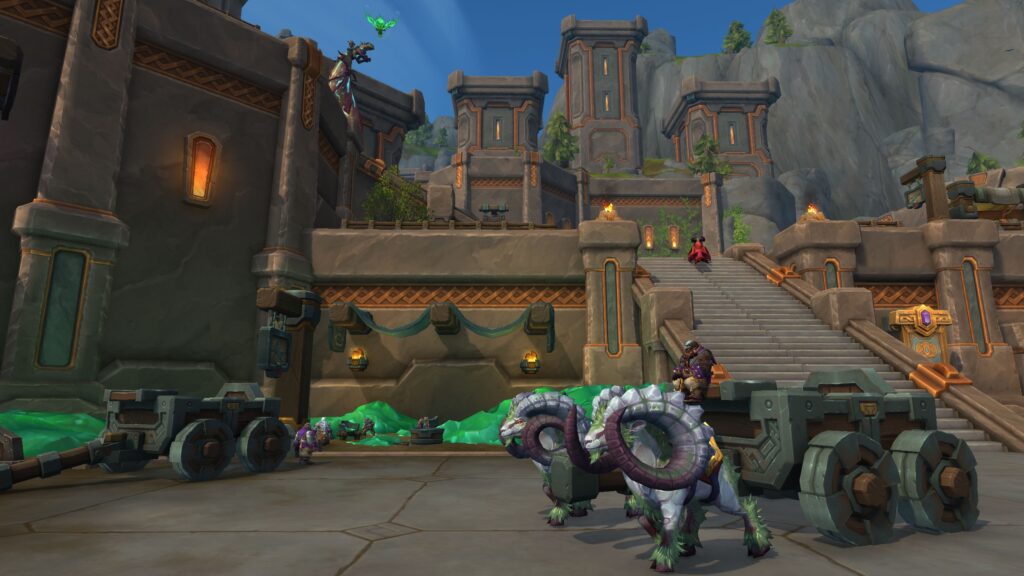
In World of Warcraft, raids offer significant rewards that enhance your character’s progression, with item levels ranging from 480-528 in Season 4, providing a clear path for gear improvement through tier set tokens, Valorstones, and Crests. Achieving exclusive raid milestones like Ahead of the Curve or Cutting Edge not only grants you special recognition but also access to unique mounts and titles that showcase your accomplishments. Beyond gear, raids also reward you with rare cosmetics, mounts, and social prestige, allowing you to express your character’s achievements and aesthetics in diverse ways.
Item Level Progression
Understanding item level progression is essential for maximizing your character’s power in World of Warcraft raids, as each raid tier introduces a higher base item level for gear. Your itemization strategies should focus on acquiring gear from Mythic difficulty, which drops the highest item level gear. Normal and Heroic difficulties provide progressively lower item levels. The Warforged and Titanforged systems offer chances to boost item levels, enhancing your gear acquisition efforts. Keep in mind, end-of-tier raids yield higher item levels than earlier tiers, impacting your progression considerably.
- Defeat the toughest bosses for top-tier gear
- Embrace the thrill of upgrading through rare Warforged and Titanforged drops
- Feel the excitement as your power grows with each new piece of gear
Exclusive Achievements
While achievements in World of Warcraft may seem like simple milestones, they actually offer a wide range of exclusive rewards that can greatly enhance your gaming experience. Achieving high-end goals opens exclusive titles and unique mounts, showcasing your dedication and skill. For instance, by defeating mythic raid bosses, you can earn unique weapon appearances, while completing Mythic+ dungeons rewards you with special armor sets. Maxing out your professions grants you profession-specific titles or tabards, adding a layer of prestige. In addition, the achievement point system, though currently lacking meaningful value, could potentially evolve into a reputation system where higher points unlock visual rewards. This system would allow you to access an achievement vendor offering cosmetic rewards at specific point thresholds, further enhancing your character’s appearance and status.
Cosmetic and Mount Rewards
Achievements in World of Warcraft not only mark your progress but also open up a world of cosmetic and mount rewards that can significantly enhance your character’s visual appeal and status. Through mount collecting, you can earn limited-time mounts from the Ahead of the Curve achievements, or unique mounts from the Glory of the Raider meta-achievements. Raid bosses occasionally drop rare mounts like Invincible, adding a layer of excitement to each encounter. Mythic raid tiers often come with exclusive mounts, amplifying your cosmetic prestige among peers. Cosmetic rewards extend beyond mounts, offering tier sets with distinctive appearances, special tabards, and unique weapon models from end bosses. These rewards incentivize repeated raid participation, fostering a vibrant in-game economy.
- Rare mounts: Secure your prized collectible
- Unique gear: Showcase your class’s distinct style
- Prestige items: Elevate your character’s status
Economic Challenges for Players
Raiding in World of Warcraft presents numerous economic challenges for players, as the costs associated with consumables, gear enhancements, and preparation time can be substantial. Economic barriers create player disparities, where casual adventurers struggle to cover the high costs of flasks, potions, and food buffs, while hardcore raiders often buy WoW Tokens for gold. The table below illustrates the economic strain:
| Cost Type | Impact on Players | Mitigation Strategies |
|---|---|---|
| Consumables | Spikes in prices before new raids | Guild support, professions |
| Gear Enhancements | Expensive BoEs, high enchanting costs | Crafting, buying tokens |
| Time Investment | Hours farming, prepping for raids | Efficient resource management |
| Disparities | Wealth gap, server economy variance | Boosting services, trading |
| New Players | Steep entry costs, gear gaps | Joining active guilds |
Preparation consumes hours, as you farm materials or complete world quests. Meanwhile, guilds face financial strain providing consumables, and new players encounter steep barriers just jumping into raiding.
Influence of Inflation on Raid Costs
As you explore the world of raiding in World of Warcraft, you’ll quickly notice how inflation greatly impacts raid costs, affecting everything from consumables to repair bills. The inflation effects are evident as flask prices have soared by 300% over three expansions, and the cost of augment runes has skyrocketed from 500g to 3000g in Dragonflight. Consumable pricing continues to rise, with food buff ingredients experiencing 50-100% price spikes just before raids. Repair costs have also escalated, with average raid night bills growing from 100g to over 1000g, and mythic progression costing players 5000-10000g weekly.
- Feeling overwhelmed by skyrocketing prices? It’s a common sentiment among raiders.
- Struggling to keep up with repair costs? You’re not alone; guild funds deplete three times faster now.
- Concerned about personal expenses outpacing daily rewards? Many players face this challenge.
Navigating these financial hurdles is part of the raiding experience.
Trends in the Raid Boosting Market
The raid boosting market in World of Warcraft has become a cornerstone of the game’s economy, firmly establishing itself as a leader among carry services. Market trends demonstrate a considerable rise in boosting popularity, particularly with over 1,000 raid boost runs launched daily on EU servers. This surge is fueled by players seeking achievements and high-end loot, with services ranging from full raid clears to specific boss kills. The introduction of The War Within expansion is expected to further boost demand, especially with pre-orders for the Nerub’ar Palace raid boosts.
Boosting services cater to various preferences, offering normal, heroic, and mythic difficulties, and weekly packages that combine raid boosts with discounted Mythic+ runs. These offerings considerably impact the in-game economy, driving gold circulation and influencing the consumables and crafted gear markets. Despite some controversies and divided community opinions, the boosting market’s influence on World of Warcraft is undeniable.
Strategies for Managing Raid Expenses
While engaging in World of Warcraft’s challenging raids can be thrilling, managing the associated expenses requires strategic planning to guarantee you’re not draining your resources unnecessarily. Start by focusing on sustainable consumables: stock up on flasks, potions, and food buffs in bulk, using profession cooldowns for crafting, and joining a guild to share cauldrons and feasts. Efficient consumable usage can greatly cut costs while maintaining effectiveness. For gear optimization, prioritize upgrades that offer the biggest impact on performance, using simulation tools to make informed choices, and consider crafted gear for cost-effective enhancements. Repair your gear strategically to minimize expense. Implementing budgeting strategies is essential—set a weekly raid budget, farm materials during downtime, and utilize alts for extra gold. Selling excess materials or BOE drops can also boost your funds.
- Overwhelmed by expenses? Join a supportive guild.
- Stressed about gear costs? Prioritize impactful upgrades.
- Struggling with consumables? Opt for sustainable options.
Frequently Asked Questions
What Is the Average Time Commitment for Progression Raiding?
In progression raiding, you’re looking at a significant time commitment, typically around 8-15 hours weekly. This includes 6-9 hours of scheduled raid time, plus additional hours for raid preparation like Mythic+ dungeons, world quests, and general upkeep. Your guild’s progression schedule heavily influences this, as does individual preparation and leadership roles. Efficient strategies, like loot councils and raid lockout extensions, can slightly reduce this time commitment, enhancing your overall experience.
Are There Any Free Alternatives to Raid Consumables?
Ironically, while raiding may seem like a resource-draining endeavor, you can actually explore free crafting and resource farming as alternatives to raid consumables. By gathering materials through herb, ore, or fish farming, you can craft your own potions and feasts without spending gold. Additionally, maxing out your professions allows you to create consumables, ensuring you’re well-prepared for raids without emptying your wallet. Leverage these strategies for cost-effective raiding.
How Do Raid Boosts Impact the Game’s Social Dynamics?
Raid boosts heavily impact the game’s social dynamics by altering social hierarchies and reducing community engagement. Players who purchase boosts often bypass traditional progression, leading to a skill gap between boosted and non-boosted players. This shift reduces the incentive for consistent guild membership and social bonds, as transactional interactions replace community-driven gameplay. Consequently, server identities weaken, and the once vibrant mentorship and teaching culture diminishes, impacting overall player connection and cohesion.
What Are the Ethical Concerns Surrounding Raid Boost Services?
When you engage with raid boost services, you’re faced with ethical concerns surrounding raid integrity and player fairness. These services can undermine the sense of achievement for those who earn their progress, creating an uneven playing field. Boosting can devalue the time and effort invested by skilled players, artificially inflating rankings and progression metrics. This discrepancy disrupts core gameplay principles of skill development and teamwork, impacting the community’s overall experience.
How Do Players Typically Handle Burnout From High-End Raiding?
To handle burnout from high-end raiding, you should implement effective burnout strategies, such as scheduling regular breaks and diversifying in-game activities to maintain interest. Engage in open communication with your guild about your feelings to guarantee mutual support. It’s essential to set realistic goals, manage raid preparation efficiently, and foster a supportive community within your guild, which encourages a healthy work-life balance and acknowledges individual and collective achievements.
Conclusion
In the world of high-end PvE, managing raid costs is essential to your success, as consumable expenses and the financial impact on guilds can be significant. You need to understand the pricing structure of raid boost services and the influence of inflation on these costs. While gear and achievement rewards can be enticing, the economic challenges players face are real. By staying informed about market trends and employing effective strategies, you can better manage raid expenses and maintain your competitive edge.
Leave a Reply