
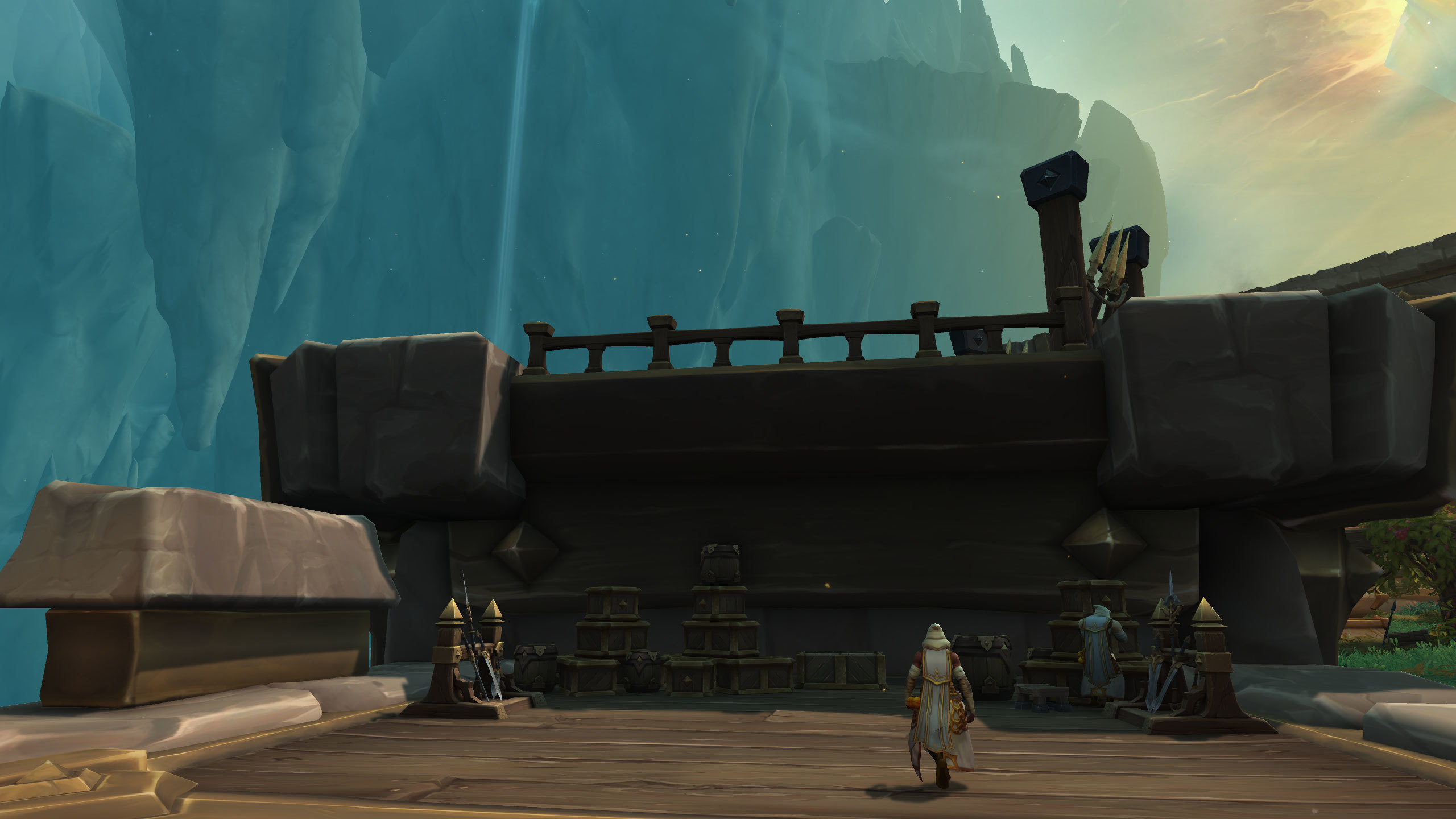
Dungeon routing in high-level play is increasingly dictated by trash placement rather than boss mechanics. While bosses remain execution checkpoints, the layout, density, and ability overlap of trash packs determine how a run actually unfolds.
Players planning routes spend far more time evaluating which enemies to pull, skip, or split than worrying about boss strategy. Trash defines risk, pacing, and resource usage long before a boss is engaged.
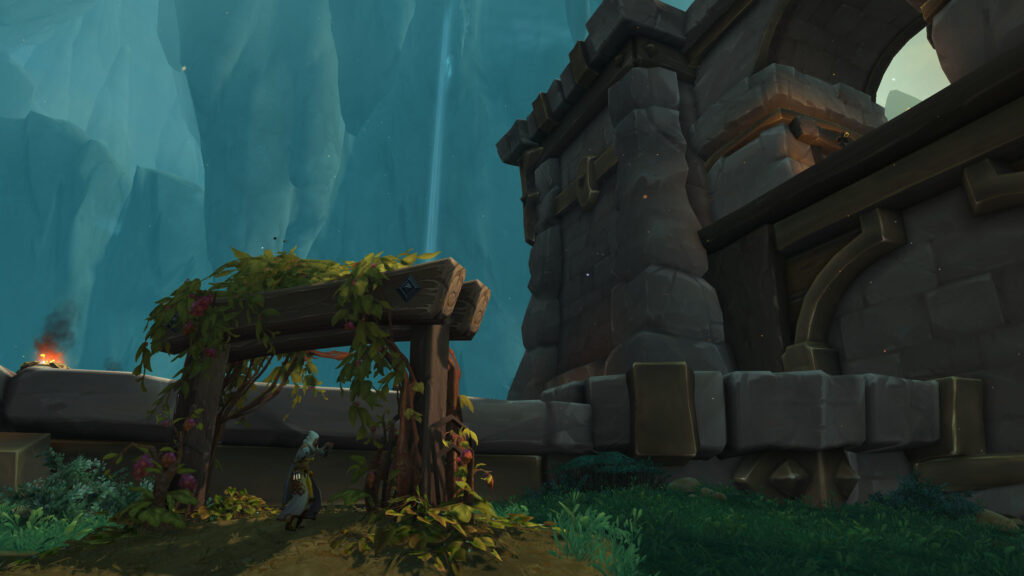
Trash Determines Risk Distribution Across the Dungeon
Dungeon Trash Placement Shapes Routes More Than Boss Mechanicspacks introduce layered threats through interrupts, movement restrictions, and unavoidable damage. Their placement controls where danger spikes occur.
Clusters of high-impact enemies force defensive cooldown usage early, shaping what tools are available later. Bosses often feel predictable by comparison.
Route Planning Revolves Around Enemy Synergies
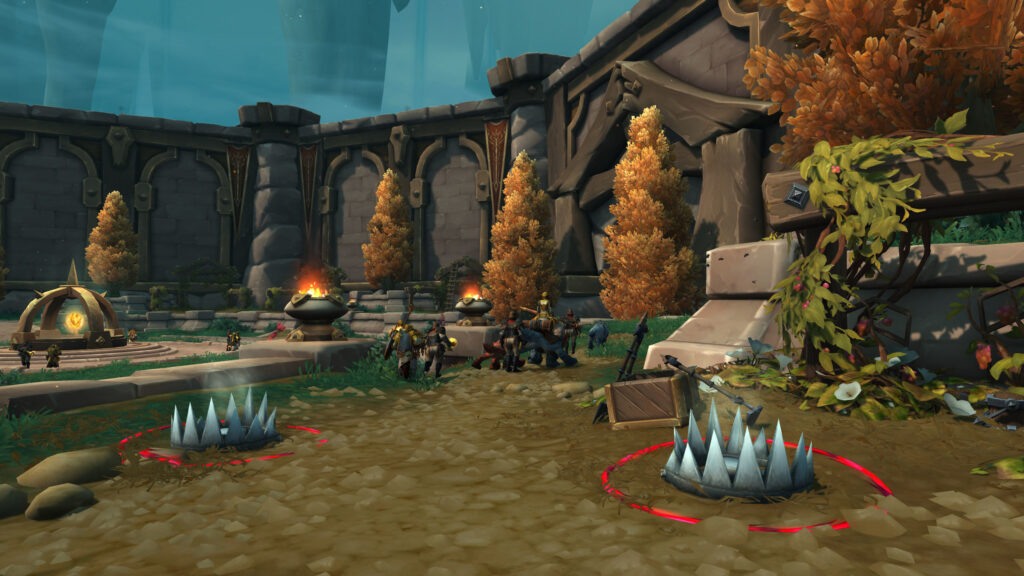
Danger rarely comes from single enemies. Overlapping casts, buffs, and auras create lethal combinations when packs are pulled together.
Experienced groups route around these synergies. They split packs, delay pulls, or use skips to avoid stacking mechanics that overwhelm control tools.
Trash Placement Controls Tempo More Than Bosses
Boss encounters happen at fixed intervals, but trash determines how fast teams move between them. Clean trash sections accelerate runs more than fast boss kills.
Deaths on trash cost more time than most boss wipes due to runbacks and lost cooldown alignment.
| Dungeon Element | Primary Influence | Routing Impact |
|---|---|---|
| Trash density | Cooldown usage | Pull size limits |
| Ability overlap | Survivability risk | Split routing |
| Trash positioning | Skip viability | Path selection |
| Boss mechanics | Execution check | Minor route impact |
Bosses Test Execution, Trash Tests Judgment
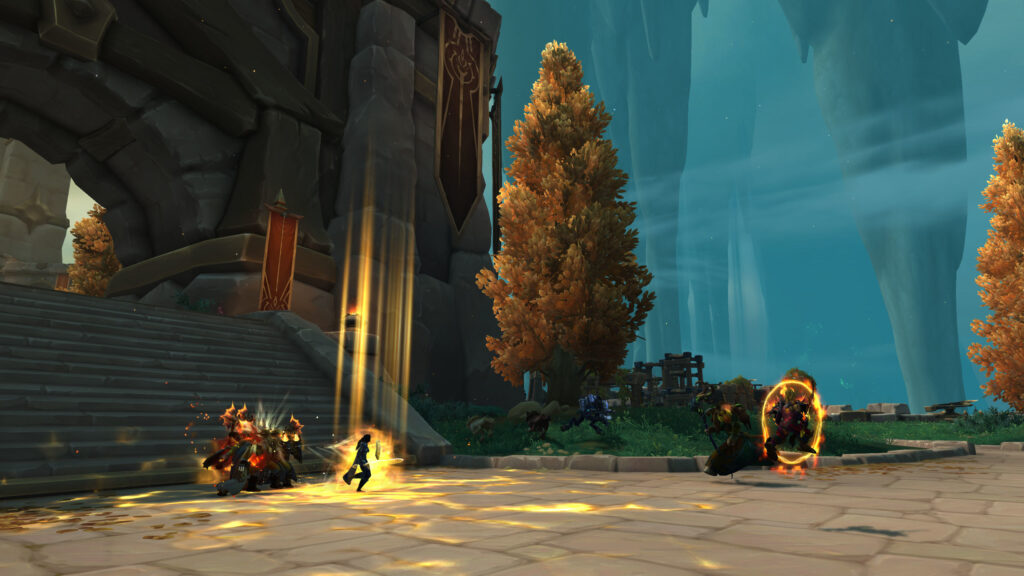
Boss fights reward mechanical consistency, but trash exposes poor decision-making immediately.
Judgment around pull order, enemy priority, and control timing separates stable runs from chaotic ones.
Conclusion
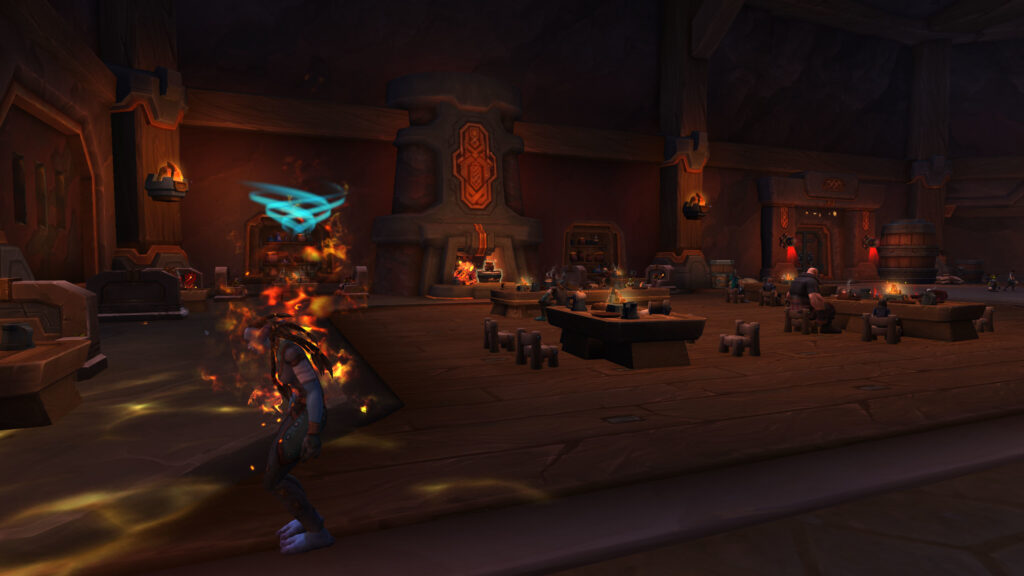
Dungeon trash placement shapes routes more than boss mechanics by defining risk, tempo, and cooldown flow.
Mastery of dungeon routing begins with understanding trash, not memorizing boss fights.
Home



Leave a Reply