
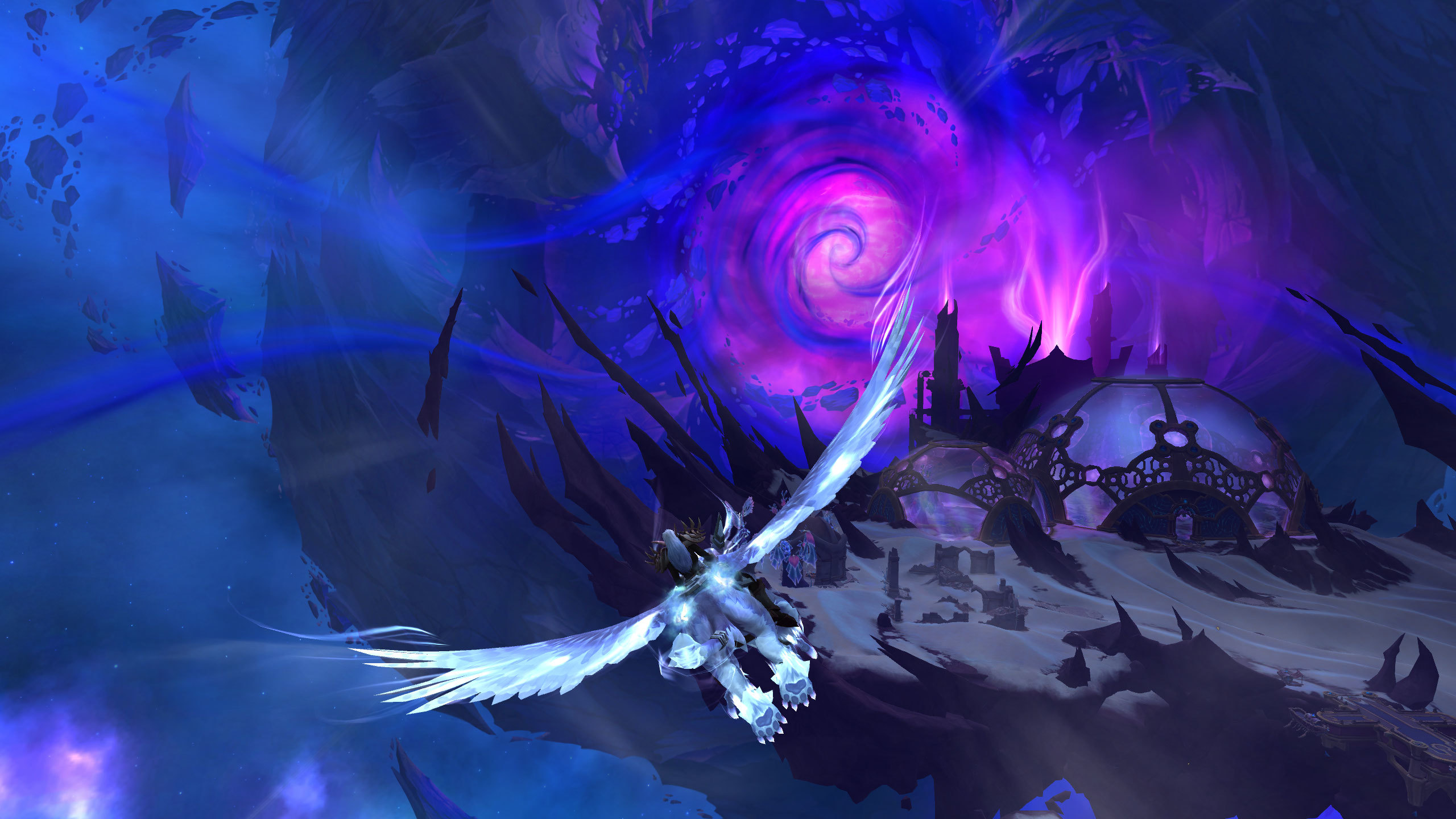
In an industry obsessed with realism, World of Warcraft has remained timeless by choosing artistry over fidelity. While other MMOs chase photorealism, WoW’s painterly aesthetic endures through emotional design, color harmony, and expressive worldbuilding. Its visuals aren’t just seen—they’re felt. The result is a game that looks as inviting today as it did twenty years ago, even in the age of ray tracing and cinematic engines.
This article explores how Blizzard’s art direction continues to defy technological trends, proving that style always outlasts realism.
The Power of Stylization
WoW’s art team understood early that technology ages, but design language doesn’t. Instead of aiming for realism, Blizzard crafted exaggerated proportions, bold silhouettes, and distinct color palettes to make everything readable and memorable. This approach allowed zones, armor, and characters to maintain identity even as hardware advanced. Every expansion adds detail without losing soul—a rare feat in gaming longevity.
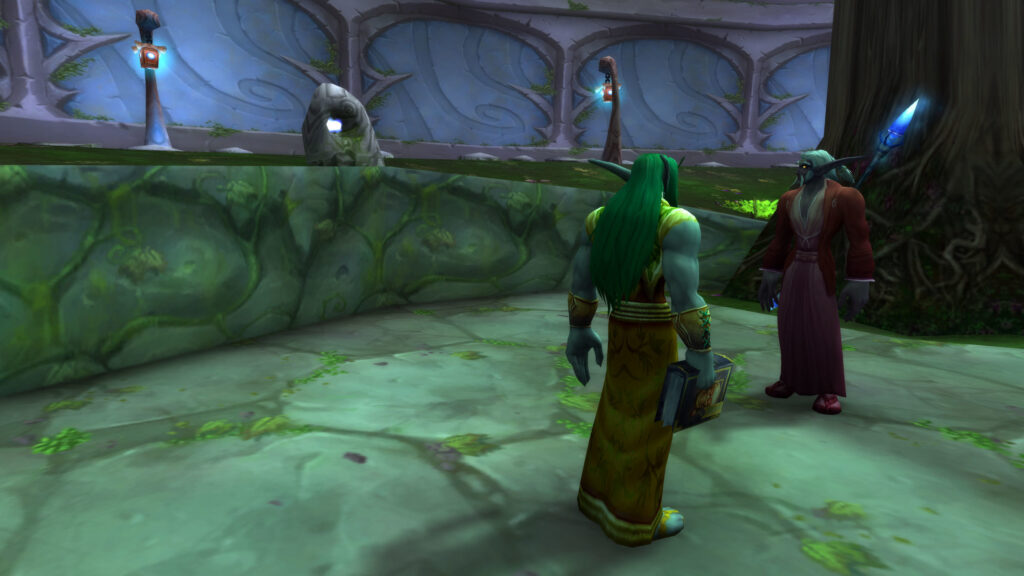
It’s not about pixels—it’s about personality.
Color Theory as Storytelling
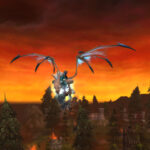
Each zone in Azeroth tells its story through color. Westfall’s amber fields evoke nostalgia and hardship; Icecrown’s cold blues project despair and duty; Ardenweald’s ethereal purples whisper peace and loss. The art team uses palette as language, ensuring that players feel emotion before they read a single quest line. The world’s color design works subconsciously—guiding tone, pacing, and immersion.
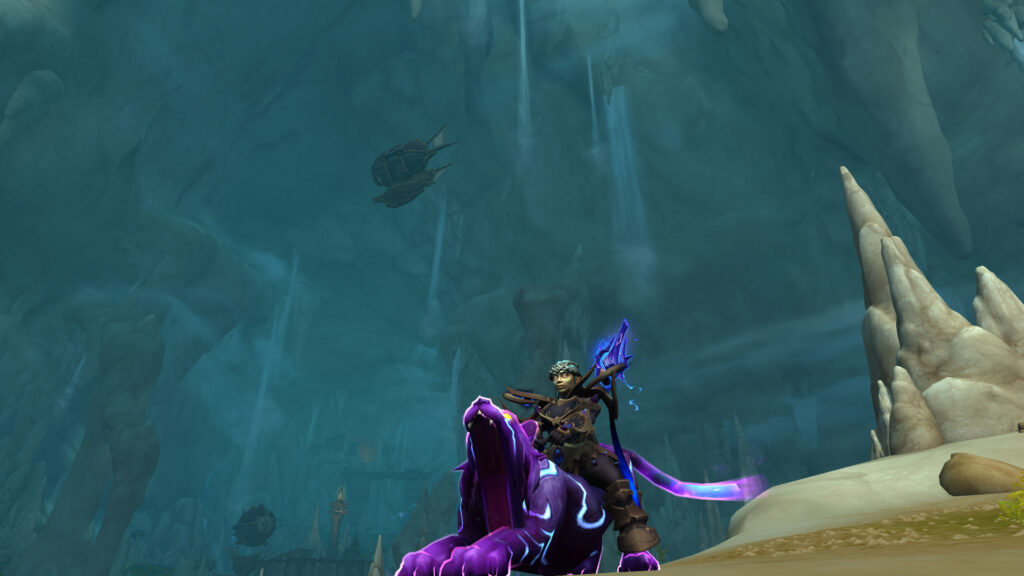
It’s environmental storytelling painted in emotion, not text.
- Elwynn Forest: Warm yellows and greens evoke comfort and beginnings.
- Icecrown: Cold hues create isolation and heroism under duress.
- Suramar: Rich purples and golds reflect elegance corrupted by power.
- Ardenweald: Deep blues and violets embody mourning and rebirth.
- Valdrakken: Saturated light blues convey renewal and order amid chaos.
Readable Design: Clarity Over Complexity
Blizzard’s philosophy prioritizes clarity. Enemies, spells, and terrain features are instantly recognizable in motion—an advantage that keeps combat and exploration intuitive even during chaos. This design choice ensures gameplay remains visually coherent across all hardware generations. The clean exaggeration of shapes and effects provides both style and function.
Every visual choice serves gameplay before spectacle.
Evolution Through Consistency
Each expansion updates technology while respecting its heritage. Improved lighting, particle effects, and textures enhance immersion without betraying the hand-painted roots of the original art style. The transition from vanilla’s soft edges to Dragonflight’s high-fidelity lighting feels organic because the core aesthetic never changed—it simply matured. This visual evolution ensures WoW looks better, not different.
Consistency is what keeps nostalgia alive through innovation.
Emotion Over Realism
What sets WoW apart is its emotional authenticity. Realism may impress, but stylization endures because it communicates feeling. The exaggerated size of a blade, the glow of a city at dusk, or the shape of a mountain skyline all evoke wonder. Blizzard’s artists understand that art direction isn’t about replicating reality—it’s about elevating imagination. Azeroth looks how fantasy should feel.
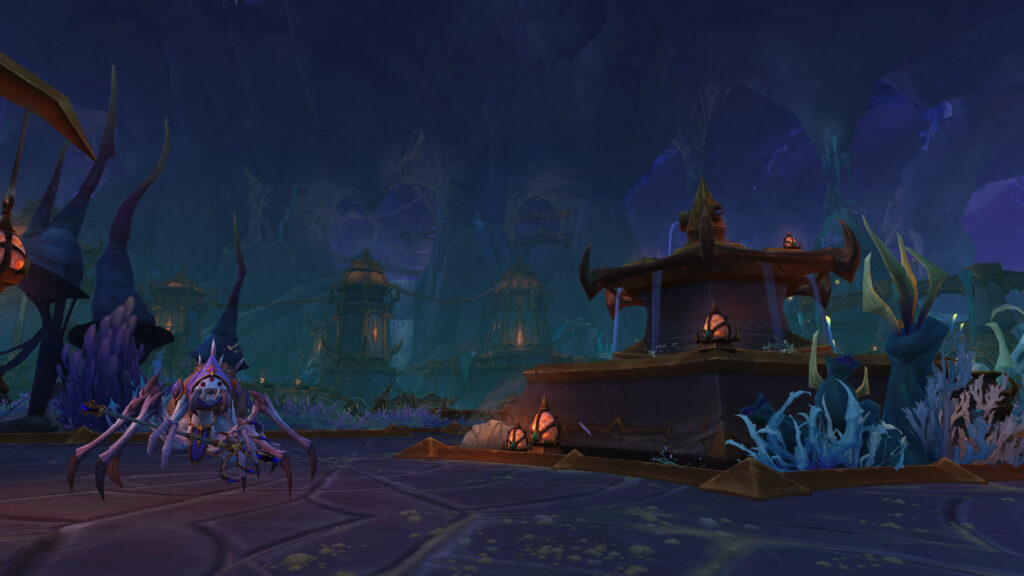
In every sense, it’s beauty through belief, not accuracy.
The War Within: Art as Evolution
The War Within continues this visual philosophy, pushing fidelity while preserving identity. The underground realms blend glowing mineral tones, bioluminescent flora, and Titan architecture that feels ancient yet alive. It’s a masterclass in evolving aesthetic identity without losing its soul. Every zone feels like an homage to two decades of artistry—familiar, yet forward-looking.
Even now, WoW proves that art direction isn’t just design—it’s storytelling in color and shape.
Conclusion
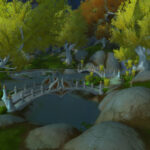
World of Warcraft’s art direction remains one of the most enduring in gaming history. By prioritizing emotion, readability, and identity over realism, it created a timeless visual language. Every sunset in Pandaria, every icy vista in Northrend, every shimmering spire in Suramar—all remain breathtaking decades later. WoW’s visuals don’t just hold up—they transcend time.
In a world chasing photorealism, Azeroth reminds us that true beauty is hand-painted—and everlasting.




Leave a Reply